

Private planes transport executives, entrepreneurs, and professionals around Europe. Business leaders demand speed, comfort, and flexibility without the long-term cost of aircraft ownership. Many companies and people wonder How much does fractional jet ownership cost? Before selecting private aviation.
Travelers can buy plane tickets. The framework facilitates private flights while reducing operational and budgetary burden. Frequent travelers like its convenience and cost control.
Understanding fractional ownership cost, benefits, and operations can help companies decide if it’s right for business mobility.
Fractional Jet Ownership Cost for Frequent Business Travel
Several things affect fractional jet ownership expenses. Trip frequency, aircraft type, maintenance, operational costs, and ownership share affect investment.
Smaller ownership shares cost less due to fewer hours. An infrequent flyer may need a tiny fraction, whereas regionally traveling companies may need more.
Aircraft classification affects pricing. Operating light planes is cheaper than mid-range or long-range aircraft. Companies with larger cabins emphasize room, range, and passenger comfort for senior teams and clients.
After buying, owners pay monthly operating charges. Flight management, crew compensation, insurance, hangar storage, and maintenance are recurring charges. The structure is more practical than full aircraft ownership for many organizations, even with shared expenses.
Companies calculating fractional jet ownership costs should include time savings. Flexible scheduling, direct routes, and reduced airport wait times enhance production and company speed.
Is Fractional Jet Ownership Worth It for European Business Travel?
Many executives question whether fractional jet ownership is worth business travel. Answers depend on travel and operations.
Private aviation can enhance productivity for firms with frequent regional meetings, international clients, or multi-city schedules. Commercial travel involves delays, crowded terminals, and tight timetables that reduce productivity and fatigue.
The fractional ownership experience changes greatly. Fly privately, at your own speed, and to smaller airports near your destination. These advantages are especially valuable for leadership teams with sensitive topics or tight deadlines.
Predictable shared ownership plans appeal to corporations. Owners have year-round aircraft access without charter issues. This stability is crucial during busy travel seasons when commercial flights are delayed.
Companies contemplating fractional jet ownership for business trips benefit from flight productivity. Executives can meet, prepare presentations, or rest in a quieter area to improve performance upon arrival.
Full vs. Fractional Jet Ownership Cost
Compared to full ownership, fractional aircraft ownership is expensive. Jets require large upfront investments and ongoing management.
Businesses often ask How much does fractional jet ownership cost? Due to the single owner’s high expenditures. Full ownership covers maintenance, hiring, regulatory compliance, insurance, and long-term depreciation.
Fractional ownership reduces operational limitations because operations are professionally handled. Aircraft owners can employ them without technical or administrative hassles.
This variation is appropriate for companies that travel regularly but not enough for a dedicated plane. Companies spend money on what they need, not on unused flying hours and assets.
Fleet flexibility is another perk. Based on trip demands, owners can choose aircraft. While larger business visits benefit from cabin space, shorter regional meetings may require a smaller aircraft.
These practical benefits are making more companies consider fractional jet ownership for business travel in today’s competitive corporate market.
Fractional Jet Ownership: Worth Business Travel Efficiency?
Time is still a corporate asset. Executives increasingly value travel systems that enhance productivity and eliminate delays.
Business travel: fractional jet ownership worth it? Becomes more important. Fractional ownership solves several commercial aviation issues.
Private terminals reduce boarding and wait times. Airlines can be replaced by business schedules. Direct connections to smaller regional airports save travel time.
Executives visiting multiple venues in a day benefit from this freedom. Commercial flight constraints require overnight stays, whereas private aviation has faster returns and better scheduling.
Corporations discussing financial, legal, or strategic matters need flight confidentiality. Silence aids concentration and teamwork.
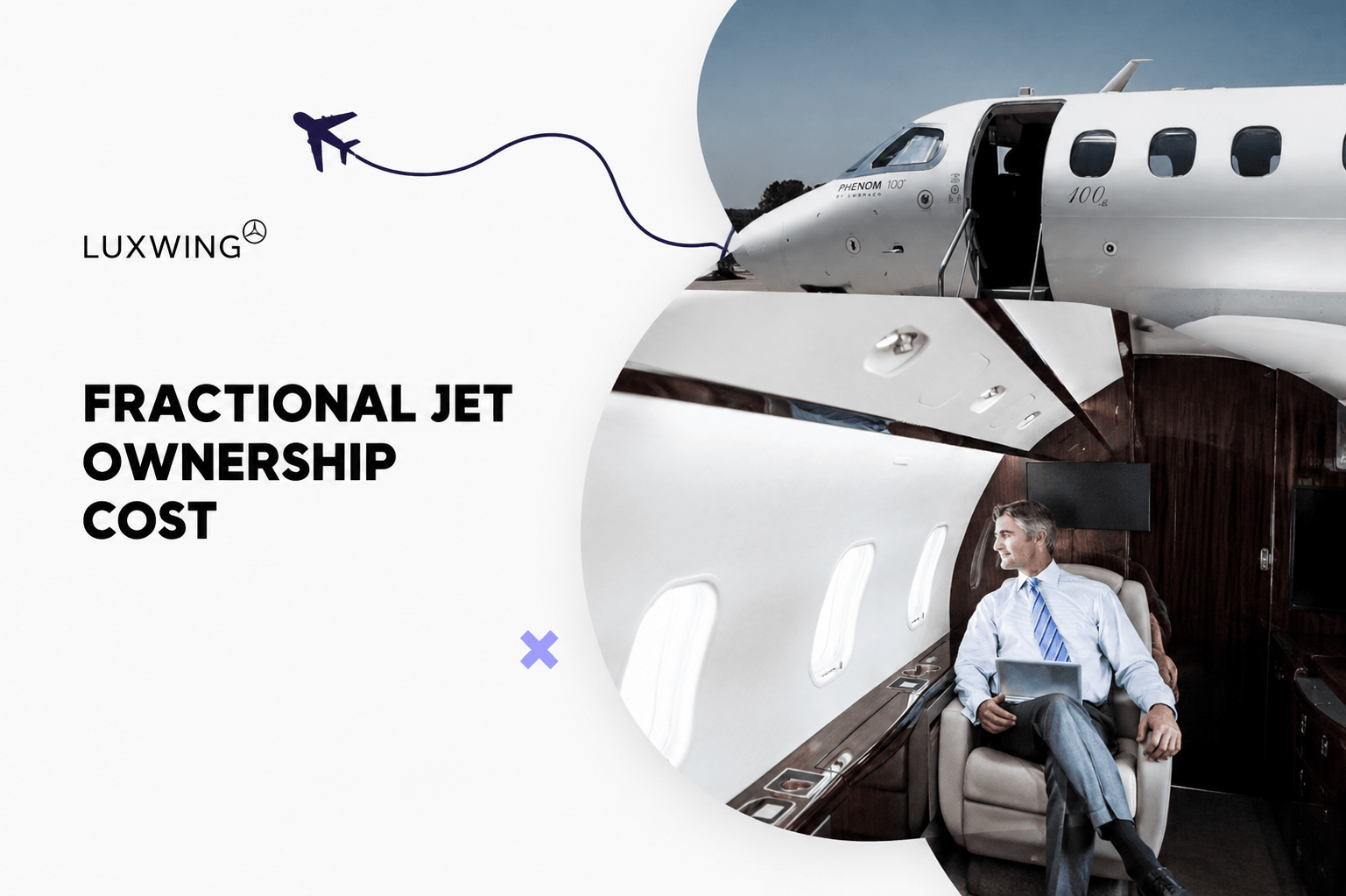
Time savings frequently determine whether fractional aircraft ownership for business trips is worth it for operational efficiency.
How much does Fractional Jet Ownership Cost Long-Term?
While the initial investment may appear enormous, long-term value determines ownership. Businesses seeking fractional aircraft ownership should look beyond the purchase price.
Transport reliability impacts business growth. Missed meetings, delayed negotiations, and wasted travel costs for companies. Fractional ownership ensures travel, reducing operating risks.
Unlike full ownership, divided ownership may preserve financial flexibility. Instead of investing much in one aircraft asset, companies spread expenses and have premium aviation access.
Also important is asset recovery after ownership agreements. Market conditions and program structures may allow owners to return a portion of their investment after the contract.
The balance between access, flexibility, and reduced operational pressure is why organizations keep asking is fractional jet ownership worth it for business travel? Private aircraft become more integrated into executive mobility strategies.
Fractional Jet Ownership for Peak Season Business Travel: Worth It?
Travel interruptions during busy seasons may hurt commercial airline businesses. Overbooking, flight delays, and limited availability hurt productivity and client relations.
Another reason executives wonder if fractional jet ownership is worth it for business trips. Fractional ownership prioritizes aircraft availability year-round, allowing peak demand travel.
Securing flights during key business times lets companies rest during international meetings, hard negotiations, or time-sensitive projects.
Service consistency pleases business travelers. Aviation experts coordinate scheduling, maintenance, operational support, and flight coordination for seamless route passage.
Instant aircraft access helps when timetables change. Instead of rearranging timetables, companies can quickly modify trip plans to airline availability.
How Much Does Fractional Jet Ownership Cost Growing Companies?
Many growing companies face unique travel issues. Multi-city or international expansion requires faster mobility and improved logistics.
When considering How much does fractional jet ownership cost?, many developing enterprises realize it may support long-term expansion goals better than frequent last-minute commercial bookings.
Without airline timetables, leadership teams can visit various offices, meet investors, examine operations, and attend crucial events via private aviation.
Business travel customization boosts responsiveness and company partnerships. Less travel tiredness improves essential meeting performance.
For rapidly growing enterprises, is fractional jet ownership worth it for business travel? Often emphasizes scalability and operational efficiency over luxury.
Business Travel and Client Impressions: Fractional Jet Ownership Value
Professional image matters in competition. Arriving on schedule and offering good travel experiences for clients and executives can boost the company.
Can fractional jet ownership be worth it for business travel? Private aviation is more advanced, professional, and detailed.
For corporations hosting investors, partners, or executives, private aircraft offer comfort and privacy. Unlike congested commercial terminals, flights allow meetings and reduce stress.
Perfect executive travel can increase brand perception and consumer confidence, but appearance should not determine ownership.
Conclusion: Is Fractional Jet Ownership Worth It?
Estimating fractional jet ownership expenses requires more than aircraft pricing. Businesses must evaluate operational efficiency, executive productivity, schedule flexibility, and long-term value.
Businesses that travel regularly may benefit from fractional jet ownership after weighing commercial aviation and full aircraft ownership.
Premium travel and shared operational responsibility are achievable with fractional ownership. Organizations can profit from private aviation without owning an aircraft.
Luxwing provides flexible, professionally managed private aircraft for modern executive travel with efficiency, reliability, and convenience.
No comments for “How Much Does Fractional Jet Ownership Cost for Business Travellers Today”